GAMMALITE™ GL 4472
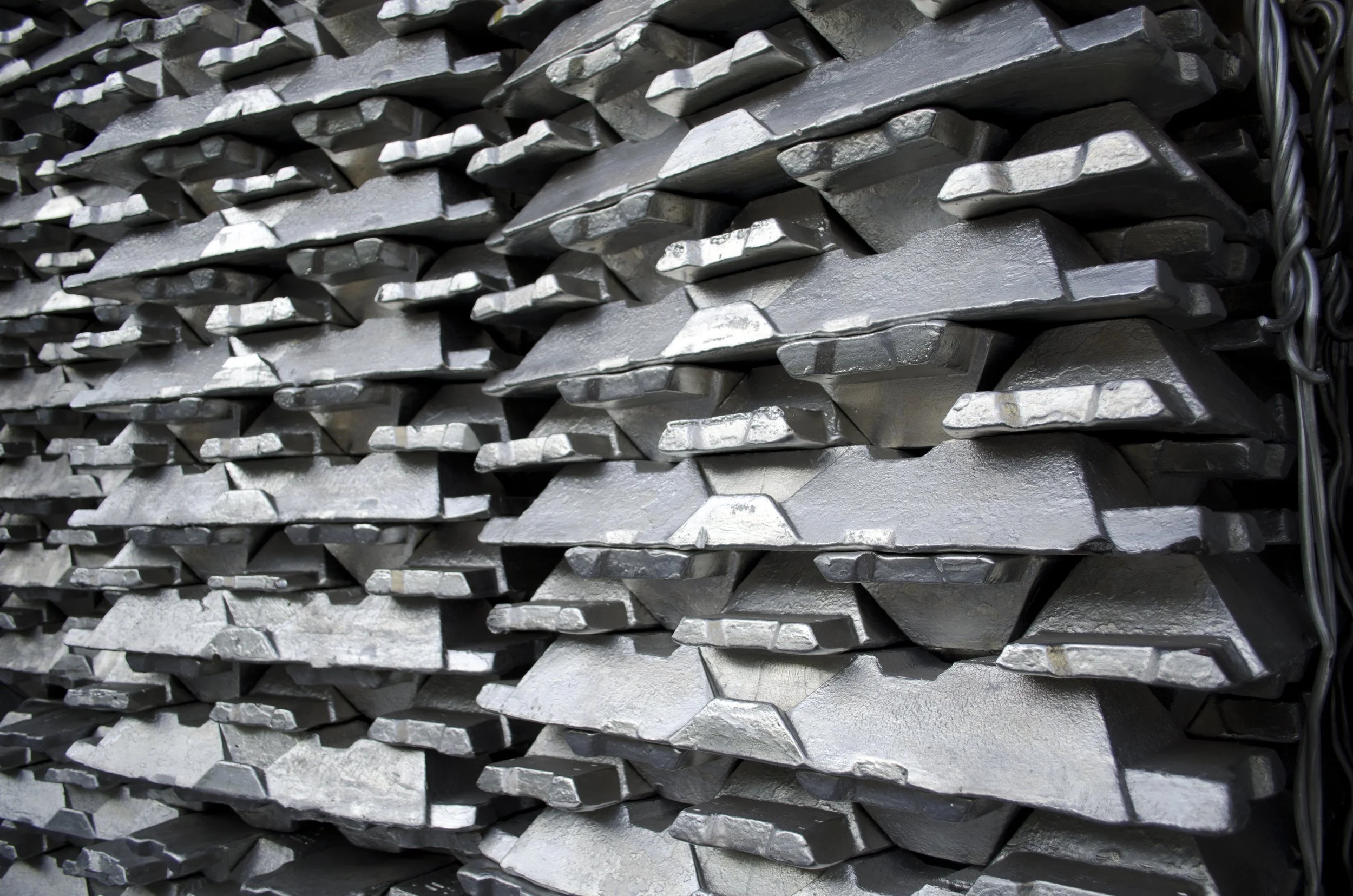
Titanium continues to grow in strategic importance across advanced engineering sectors, where next‑generation systems demand materials that unite low density, thermal stability, and long‑duration mechanical integrity. Although conventional titanium alloys provide strong room‑temperature performance, they remain limited by creep deformation, oxide instability, and microstructural coarsening at elevated temperatures. GL 4472 represents a major advancement in titanium‑based composite technology, combining transition‑metal stabilization with a proprietary nanoceramic reinforcement architecture to deliver high‑temperature durability beyond the capabilities of traditional α‑β titanium systems. Its engineered microstructure—featuring refined lamellar colonies, stabilized intermetallic phases, and uniformly dispersed nanoscale ceramics—produces superior creep resistance, oxidation stability, lamellar refinement, and improved dimensional stability under cyclic thermal loading. With a density of 4.12 g/cm³, an ultimate tensile strength of 977 MPa, yield strength of 640 MPa, hardness of 402 HV, elastic modulus of 182 GPa, and demonstrated creep stability to 1000 °C, GL 4472 is positioned as a versatile and robust solution for aerospace, energy, thermal‑structural components, and other environments where conventional titanium alloys cannot maintain the required microstructural or mechanical stability.
Composite Structure & Dispersoids
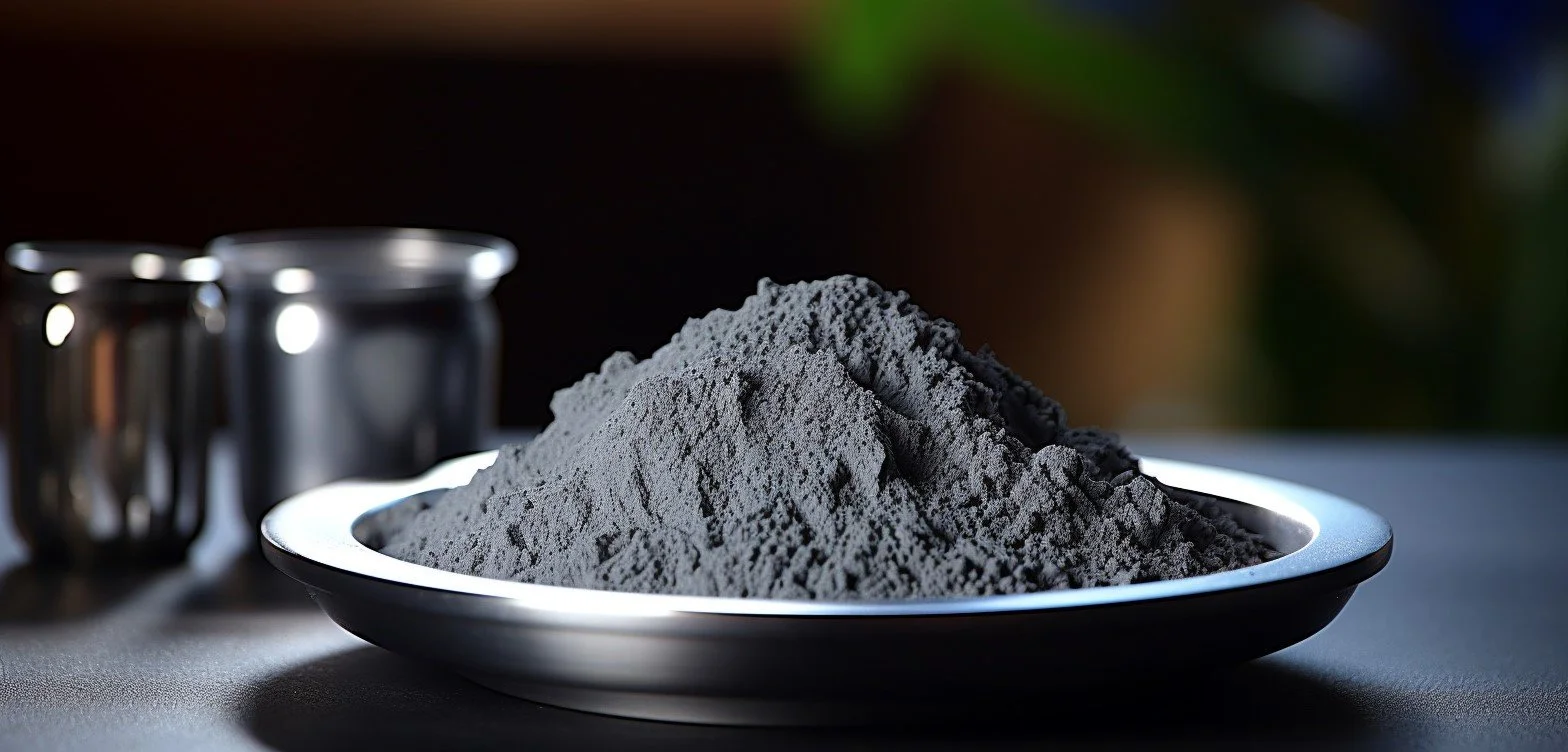
GL 4472 is a proprietary titanium composite engineered around a stabilized gamma‑titanium framework and strengthened through a tailored combination of transition‑metal additions and uniformly dispersed nanoceramic reinforcements. At its core, the alloy leverages the inherent high‑temperature stability of the γ‑Ti matrix, which provides exceptional strength retention and creep resistance under sustained thermal loading. The nanoceramic dispersoids play several critical roles within this microstructural architecture: they pin grain boundaries and inhibit colony coarsening during thermal cycling, they enhance oxidation resistance by stabilizing protective mixed‑oxide scales and resisting dissolution at elevated temperatures, and they refine the lamellar morphology in ways that improve toughness while preventing the formation of brittle, continuous intermetallic networks. Together, these mechanisms create a microstructure that remains dimensionally stable, oxidation‑resistant, and mechanically robust across extreme service conditions, positioning GL 4472 as a next‑generation titanium composite with performance characteristics far beyond those of conventional α‑β alloys.
-
GL 4472 can be cast to general shapes with good quality when thermal gradients and cooling rates are controlled. Post-cast homogenization is recommended to alleviate segregation, stabilize the gamma-phase intermetallic framework, and prepare the microstructure for subsequent deformation or heat treatment. Casting is a viable starting route for components that will be refined by forging.
-
FAST enables rapid densification of GL 4472 powder under simultaneous electrical current and pressure, producing dense billets with refined grains and stable intermetallic phases. FAST is particularly effective as a billet-consolidation step prior to extrusion or forging. FAST can also form complex near-net shapes that are finished via CNC machining to tight tolerances.
-
Forging of GL 4472 (from cast or FAST-consolidated billets) improves toughness, fatigue performance, and dimensional stability. Moderate strain rates with appropriate thermal conditioning help maintain the gamma-phase stability and limit grain coarsening. Closed-die or open-die forging can achieve near-net geometries for brackets, housings, and load-bearing components where creep resistance is required.
-
Extrusion is limited for GL 4472, generally promoting microstructural refinement and mechanical uniformity along the flow direction. Elevated temperature with controlled strain rate yields continuous general profiles, tubes, and casings with consistent wall thickness and improved fatigue resistance. Low to medium ratio extrusion can develop weak-to-moderate texture that enhances strength without compromising toughness.
-
Powder-bed fusion (e.g., SLM) and binder jet routes are applicable to GL 4472 for lattices, conformal channels, and complex internal features not achievable by machining. Parameter optimization focuses on densification, microcrack suppression, and oxidation control, followed by heat treatment to stabilize phases and enhance mechanical performance. Printed parts are typically finish-machined to final tolerance and surface quality.
-
GL 4472 responds well to solution treatment, quenching, and aging to reach peak strength. Solutionizing dissolves solute-rich phases and homogenizes the matrix, while quenching retains a supersaturated solid solution for subsequent precipitation during aging. Tailored aging schedules balance yield strength, UTS, and ductility, supporting creep resistance.
-
GL 4472 machines cleanly with high wear tooling (PCD, etc.). The alloy’s stable intermetallic framework supports tight tolerances and consistent surface finish across turning, milling, drilling, and threading. Standard coolant and chip-control practices are sufficient, while post-machining stress-relief or peening may be applied to mitigate residual stress for environments prone to stress corrosion.
-
Weldability is limited and requires compatible filler metals and appropriate shielding gas to preserve oxidation resistance and avoid hot cracking. Pre-weld cleaning and controlled heat input reduce defect formation and microstructural softening adjacent to the fusion zone. Where practical, designers should prefer mechanical joining or weld-free architectures; if welding is essential, procedure qualification is strongly recommended.
-
GL 4472 is compatible with anodizing, electrophoretic coatings, conversion coatings, and metal plating to enhance corrosion resistance and wear durability. Anodizing improves surface hardness and corrosion resistance; e-coats offer uniform coverage on complex geometries; conversion coatings promote paint/adhesive bond strength; and nickel/chrome plating provides additional wear protection.
Forged Aerospace Thermal Shields
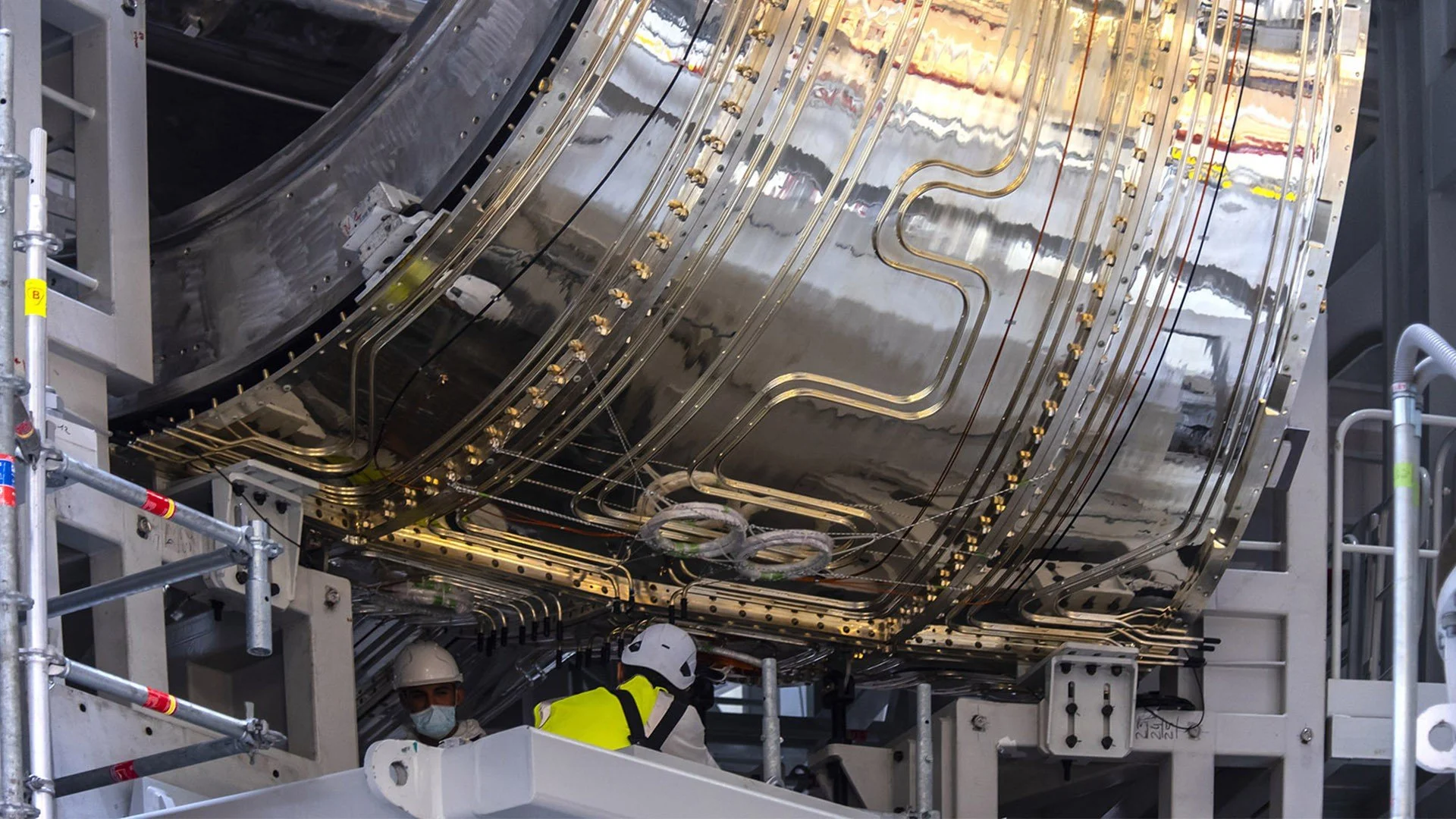
In aerospace applications, GL 4472 is particularly well‑suited for the fabrication of thermal shielding panels that must endure prolonged exposure to extreme thermal cycling and mechanical stresses. The recommended process flow begins with Spark Plasma Sintering (SPS/FAST) to consolidate powders into dense billets with refined lamellar microstructures. These billets are then forged into near‑net‑shape panels, a step that enhances toughness, fatigue resistance, and dimensional stability. Finally, precision machining is employed to achieve tight tolerances and surface finishes required for aerospace hardware. This integrated route ensures that the shields combine lightweight construction with exceptional creep resistance and oxidation stability. Transition‑metal stabilization prevents phase drift at elevated temperatures, while proprietary nanoceramic dispersoids pin grain boundaries and inhibit coarsening, allowing the shields to maintain structural integrity even under orbital thermal cycling. The result is a thermal shield that not only reduces overall mass for improved fuel efficiency but also delivers reliable protection and dimensional accuracy throughout extended missions in demanding aerospace environments.
Extruded Automotive Exhaust Casings
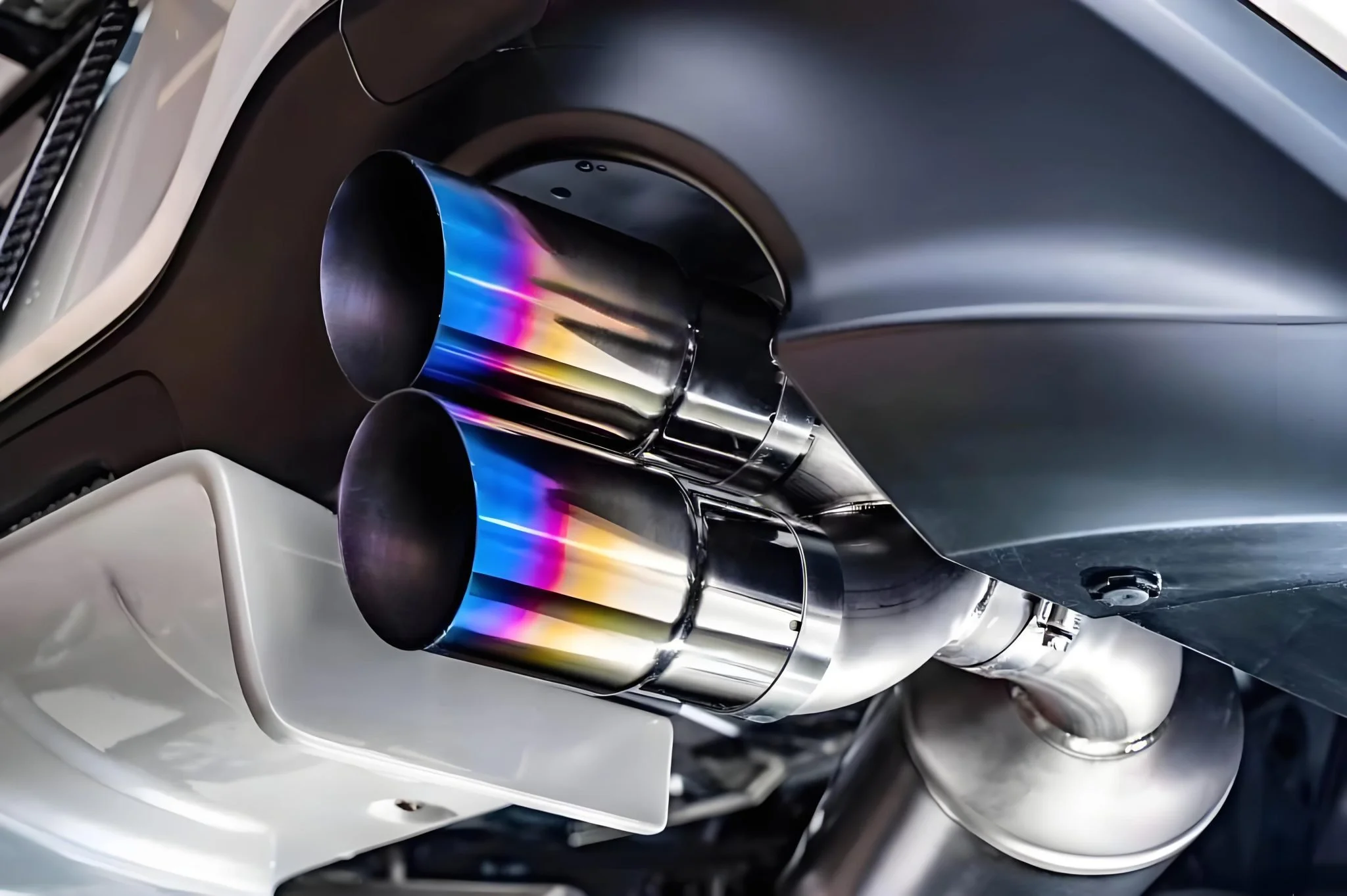
In the automotive sector, GL 4472 demonstrates particular value in the production of exhaust casings for high‑performance engines, where components must withstand sustained exposure to extreme exhaust gas temperatures, oxidation, and mechanical vibration. The recommended process flow begins with Spark Plasma Sintering (SPS/FAST) to consolidate powders into dense billets with refined lamellar titanium microstructures. These billets are then extruded into hollow casing geometries, a step that aligns the transition‑metal stabilized matrix and dispersoids along the flow direction, enhancing mechanical uniformity and oxidation resistance. Following extrusion, secondary machining ensures precise wall thickness, ribbing, and reinforcement features that are critical for dimensional stability under thermal cycling. The resulting exhaust casings combine lightweight construction with exceptional creep resistance and oxidation stability, preventing distortion or premature degradation even under prolonged exposure to hot exhaust streams. By reducing overall component mass, GL 4472 casings contribute to improved vehicle efficiency and performance, while their durability extends service life and reduces maintenance intervals in demanding automotive environments.
FAST Blanks for Thermal Management Systems
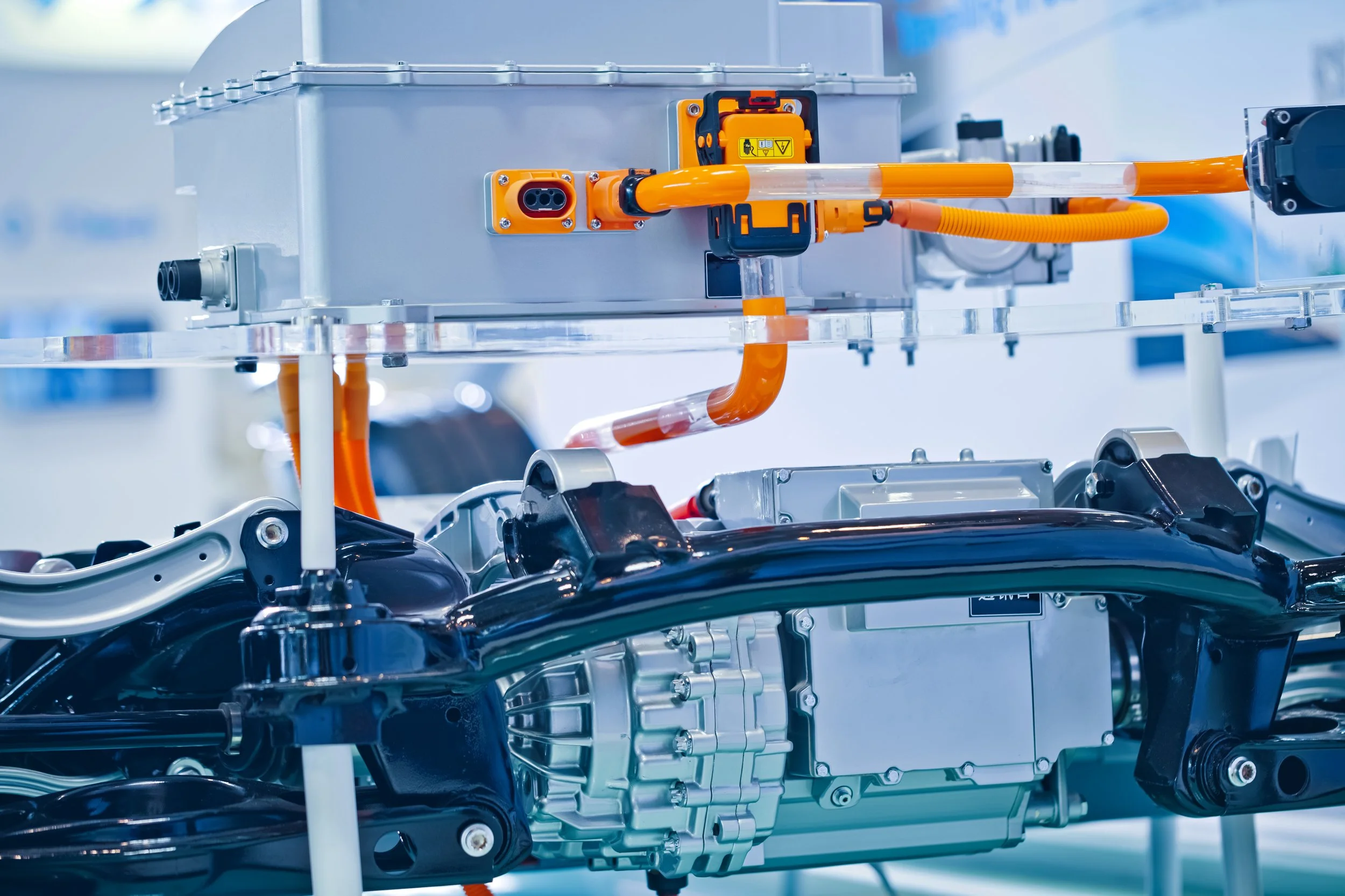
In energy systems, GL 4472 is particularly effective for the fabrication of thermal management blocks and manifolds used in concentrated solar power (CSP) receivers and other high‑temperature energy platforms. The recommended process flow begins with Spark Plasma Sintering (SPS/FAST) to consolidate powders into dense billets with refined lamellar titanium microstructures. These billets can then be shaped into near‑net geometries, followed by CNC machining to create intricate channels, manifolds, or thermal pathways that enable precise control of heat flow. This route ensures both high density and dimensional accuracy, critical for components exposed to cyclic thermal shocks. GL 4472’s relatively high specific heat capacity allows the blocks to buffer rapid temperature spikes, while its thermal conductivity ensures efficient heat transfer across the system. Transition‑metal stabilization prevents phase drift at elevated temperatures, and proprietary nanoceramic dispersoids pin grain boundaries, maintaining microstructural stability under repeated heating and cooling cycles. The result is a thermal management block that combines lightweight construction with exceptional thermal resilience, enabling energy systems to operate reliably over long service lifetimes while maintaining efficiency and dimensional precision.
Suppressor Formed Through Additive
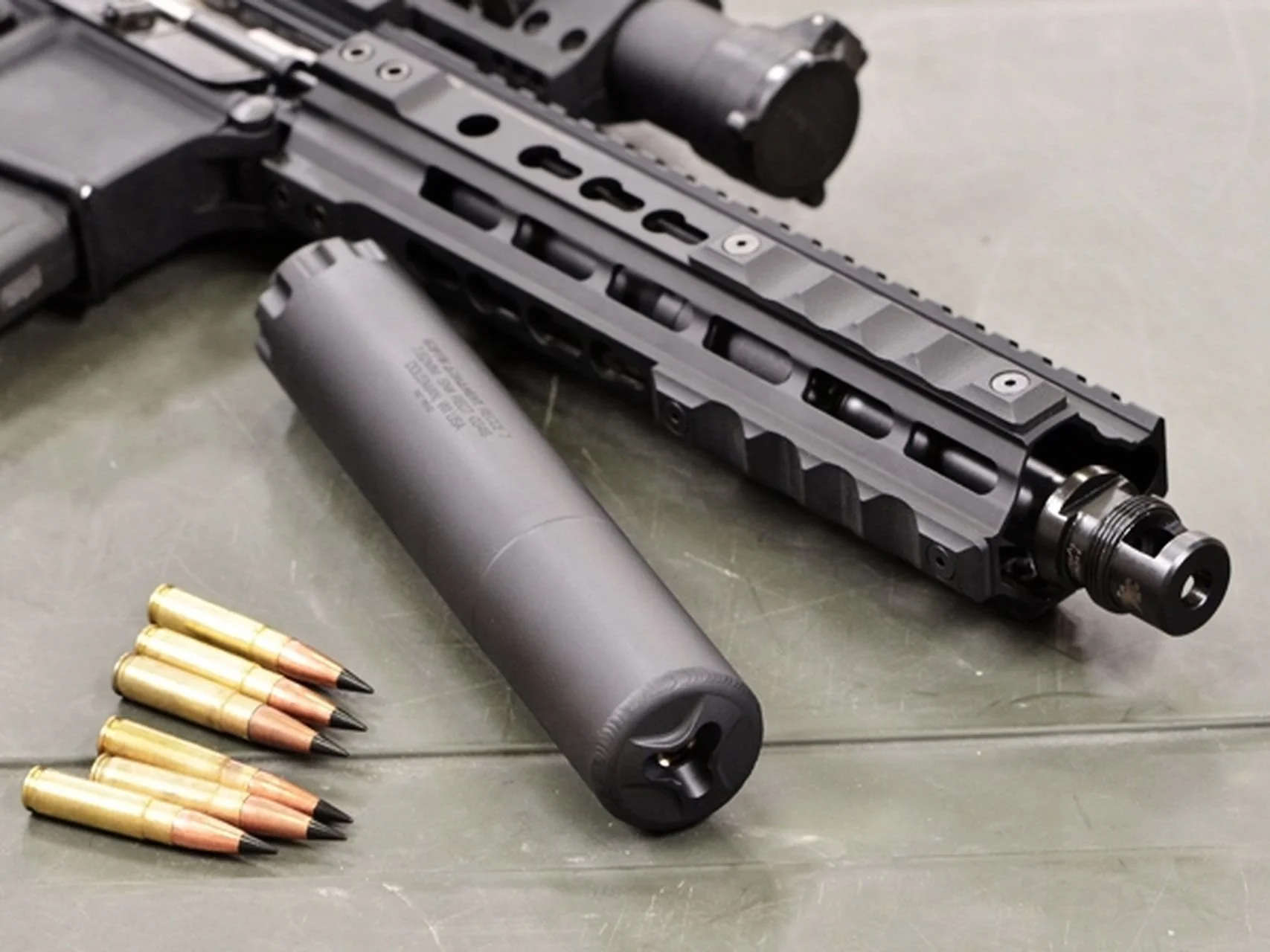
Suppressors operate in one of the harshest thermal environments encountered by compact engineered components, where rapid‑fire conditions generate steep temperature gradients, intense heat flux, and repeated thermal cycling. GL 4472’s thermophysical profile—marked by a high specific heat and a balanced thermal conductivity—allows the material to absorb, distribute, and shed heat more efficiently than conventional titanium or steel alloys. This reduces localized thermal spikes, slows temperature rise during sustained firing, and promotes faster cooldown once heat input stops. Additive manufacturing further amplifies these benefits by enabling internal flow paths, lattice‑supported chambers, and baffle geometries that cannot be produced through subtractive machining. These complex printed structures guide and redistribute gas more effectively, lowering flow resistance, reducing backpressure, and improving overall acoustic performance. The composite’s inherent oxidation resistance maintains surface integrity under repeated exposure to hot combustion gases, preventing scale spallation and microstructural degradation over time. Combined with its low density, which meaningfully reduces the physical load carried by personnel in the field, GL 4472 offers a compelling balance of thermal stability, structural durability, and weight efficiency for advanced engineered systems.